The most common areas of a residence are also the areas that present the greatest potential for fire hazards. The use of electrical appliances that generate heat and electrical loads occurs in proximity to our homes. The only way to begin protecting yourself and your family from these potential fire hazards is to understand the fire risks that are present today. The following will show you how modern fire-retardant (FR) plywood can be considered as a second line of defence against fire, when used in some of these high-risk areas of fire.
Electrical Overloads and Short Circuits
In our homes today, we rely heavily on devices, increasing the threat of electrical fire. Power strips that are overloaded, wiring that is hidden from view and old, and other heat-producing devices (like transformers that are behind walls or home automation hubs) are commonly the source of electrical fires.
Good quality Fire-retardant plywood is used to add a backing material to electrical panels, utility cupboards, and media cabinets.
Kitchen Flare-ups and High-Heat Appliances
The kitchen is naturally a high-risk area for fires, primarily due to fast and unpredictable changes in temperature from high-heat appliances (ovens, stoves, toasters, etc.), and the vast array of combustible materials found in many homes (oils, towels, linens, etc.).
High quality plywood is designed and chemically engineered to provide a structural barrier to ignition when used for kitchen cabinetry. By installing FR plywood as part of the cabinetry, you are providing even more of a fire-retardant barrier to the fire that may occur in your kitchen.
High Fire-Load Environments (Living and Entertainment Spaces)
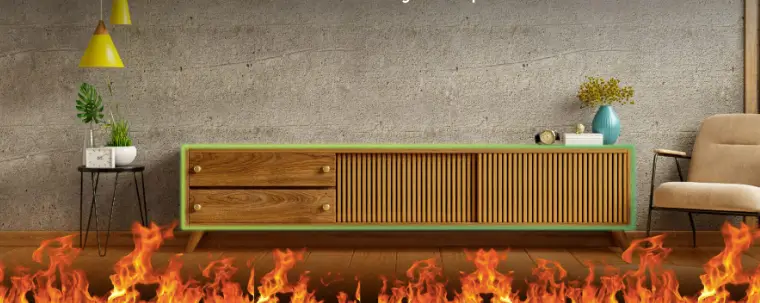
Living and entertainment areas (entertainment centres, media walls, extensive libraries, etc.) are high fire-load areas due to the combination of electronic devices (which generate heat) with large amounts of combustible materials (paper, wood and upholstery).
By using FR plywood for these custom units, a potential short circuit in an entertainment centre will not become an enormous fire. The low Flame Spread Index (FSI) of FR plywood prevents the rapid spread of flames across its surface and allows the fire to establish itself in the area before the temperature reaches the combustion point of the furniture.
See also: Charter a Bus for Weddings: The Ultimate Transportation Solution
Lack of Clear Evacuation Paths
Panic and poor visibility are barriers to evacuation during a fire. Often, the hallway and/or stairway’s structure collapses or burns, blocking the exit path or creating thick, toxic smoke along the path.
Specifying the use of FR plywood wall panels and storage units located in the corridor and stairwells is an excellent strategy for fire safety. FR plywood is engineered to produce minimal smoke and low toxicity while burning, therefore keeping the evacuation path clear for a longer time.
Why The Choice of Plywood Matters
Fire prevention is not about the material that “will not burn”; rather, it is about how the material behaves in an emergency. The high-quality fire-retardant plywood is vacuum-pressure chemically infused into plywood and does not only protect; it also maintains the furniture’s structural integrity and weight-carrying capacity.